






INDREK AAVA AND MARTIN LUTS TWELVE CHAIRS, TWELVE PEOPLE
 -
-  Haus Gallery
Indrek Aava, who participated in our last art auction with two works of modern art that attracted great interest from buyers, is now presenting his work in the Haus Gallery exhibition hall alongside his student, Martin Luts.
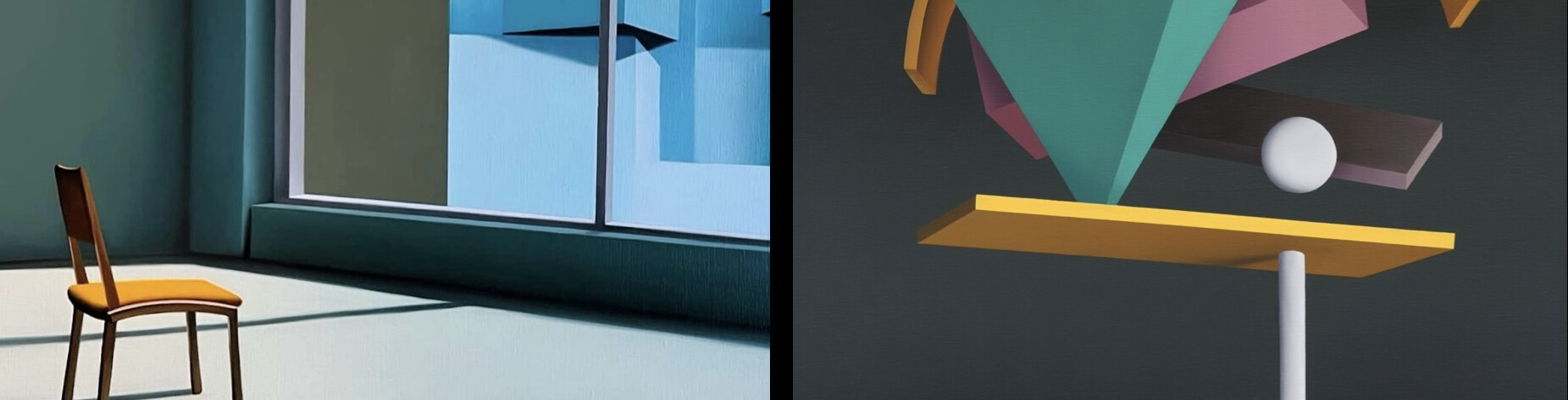
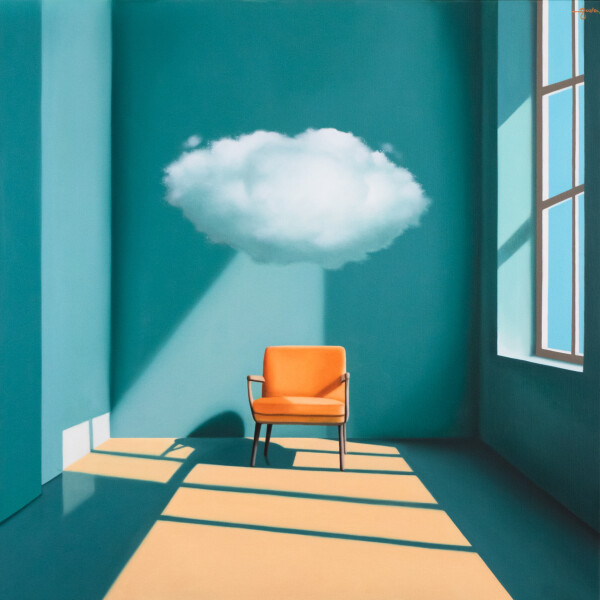
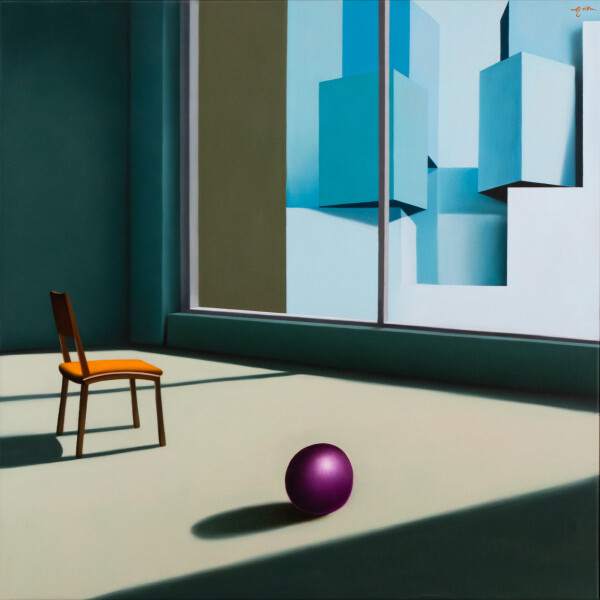
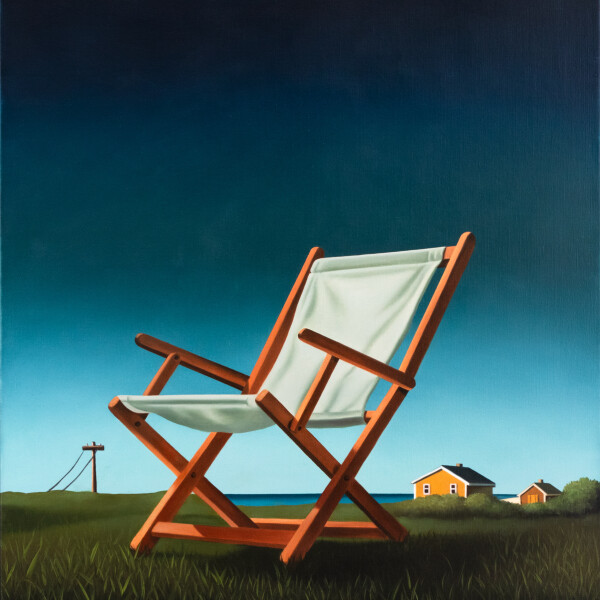
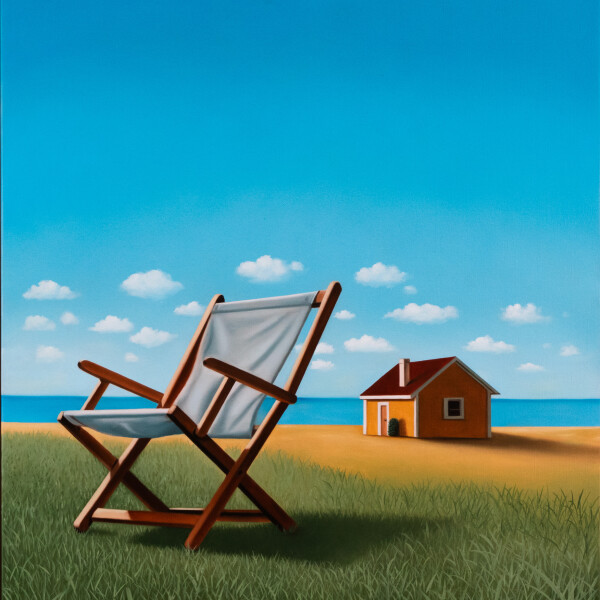
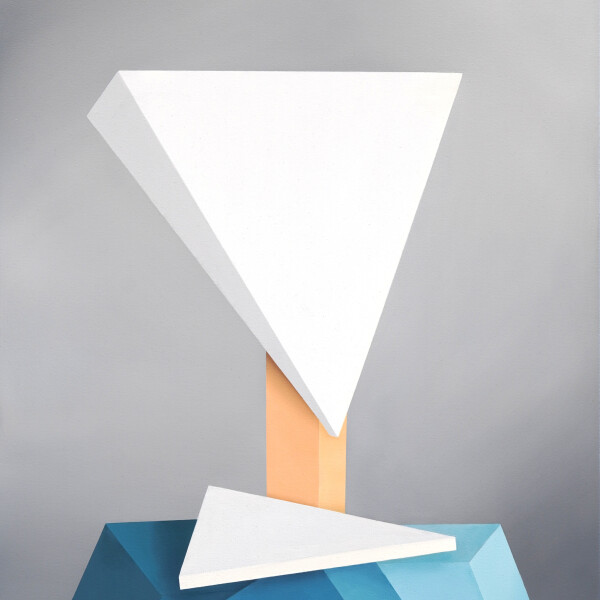
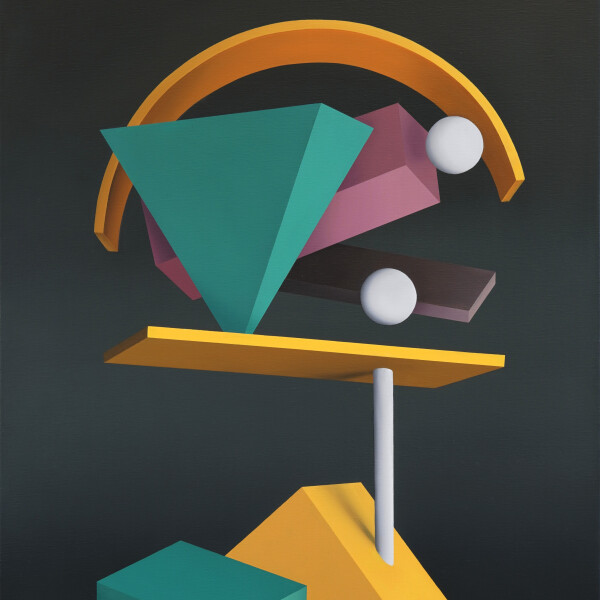
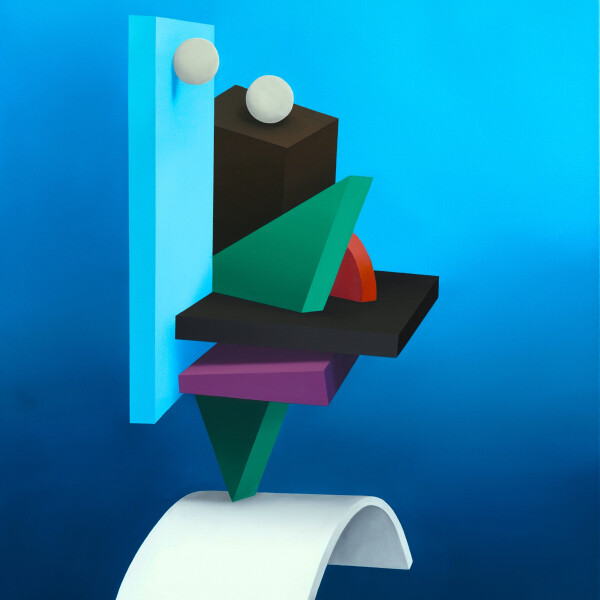
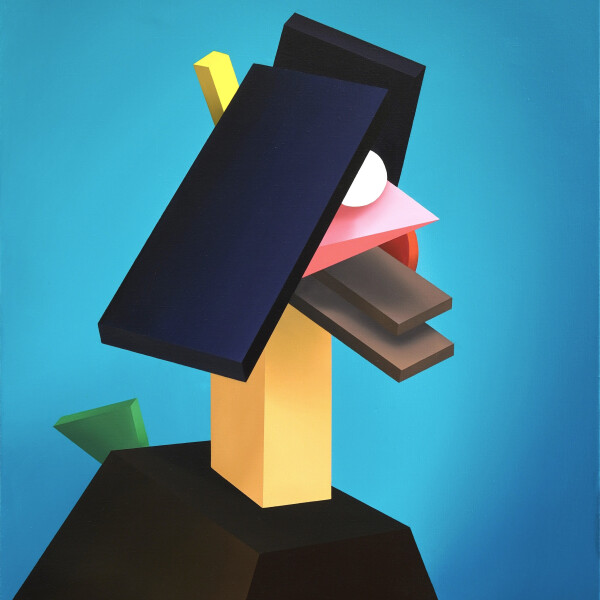
The dialogue between the two artists has resulted in an exhibition where Martin Luts’s geometric figures sit on the so-called twelve chairs of Indrek Aava — the central motif of Aava’s paintings. The filigree painting style of both artists — teacher and student — creates an intriguing comparative ensemble, revealing both similarities and differences. While their formal language shares certain features, their starting points, themes, and approaches diverge significantly. Although the student may reflect the teacher in technique, Luts brings a distinctly different content and thematic focus to his work.
The exhibition was Indrek Aava’s proposal, according to the artist himself, to highlight the enviable painting achievements of his talented student. Aava and Luts evoke comparisons to the contemporary duo of Rein Kelpmann and Vello Trell, who, through their dynamic collaboration, explored slum romanticism in art. However, Aava and Luts present geometric, filigree surrealism, executed with a refined painting technique.
Text: Piia Ausman, Haus Gallery’s gallerist and curator
Exhibition views


Indrek Aava
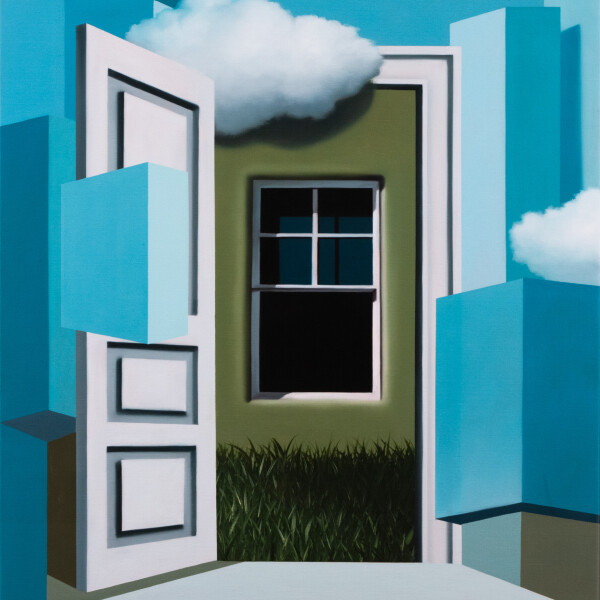
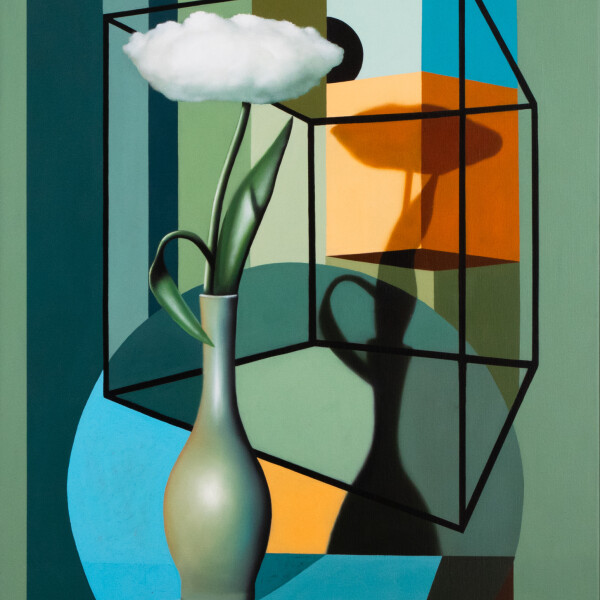
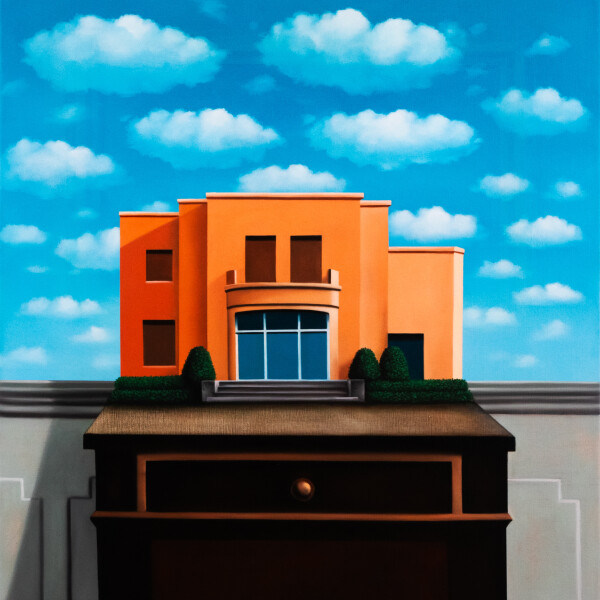
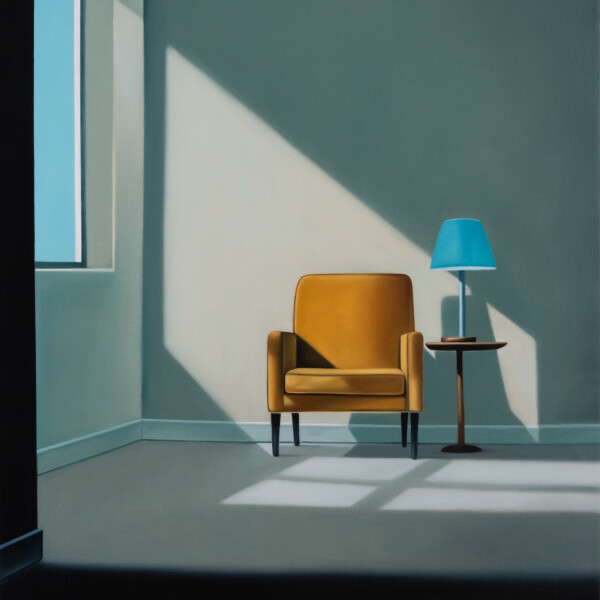
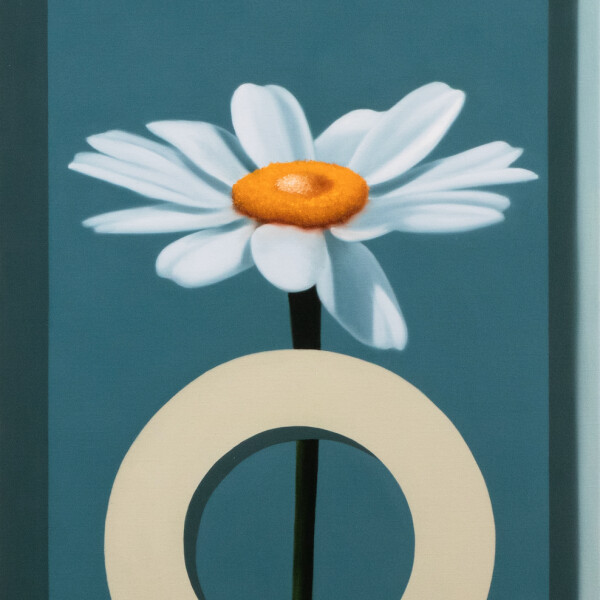
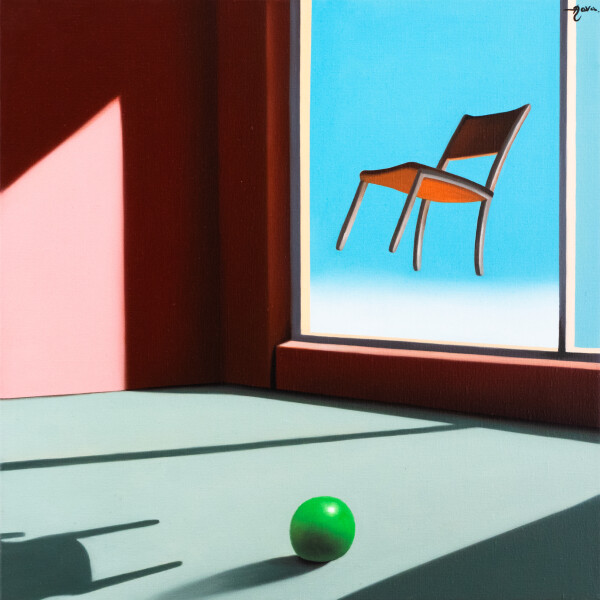
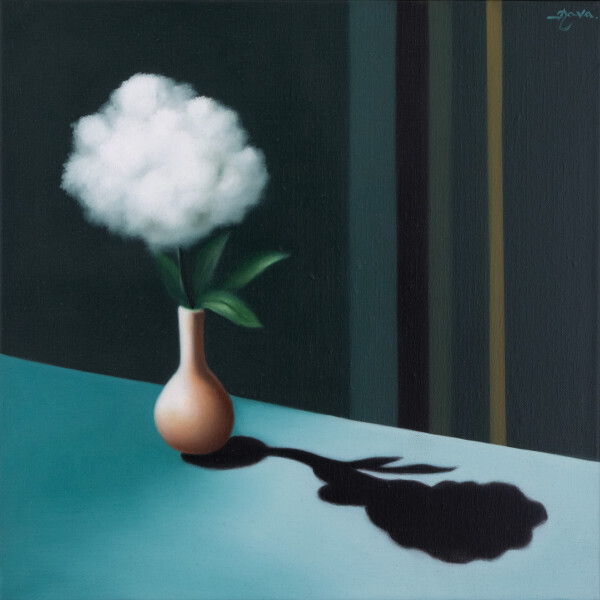
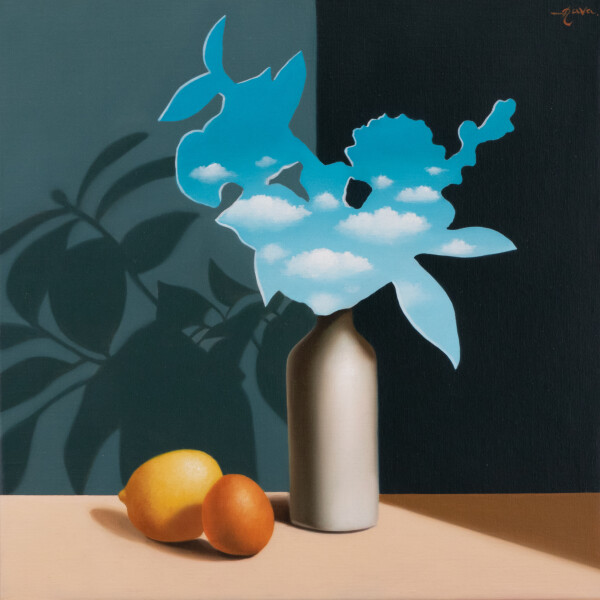
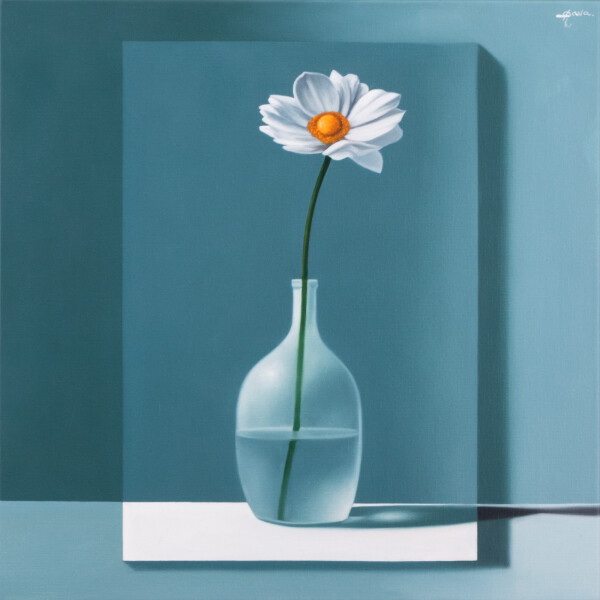
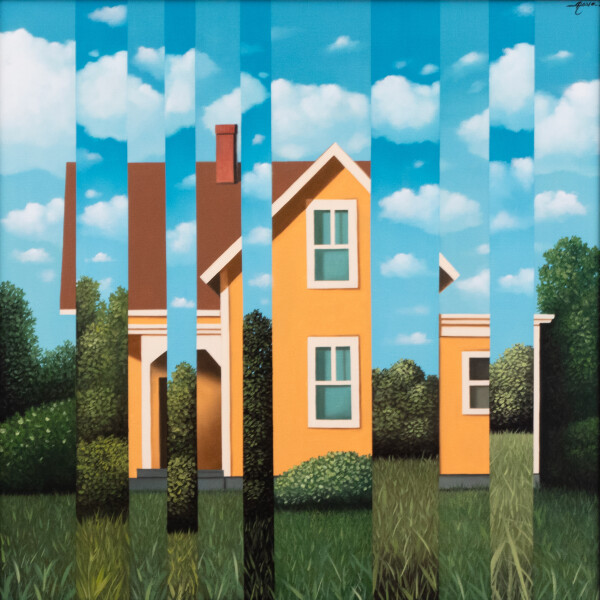
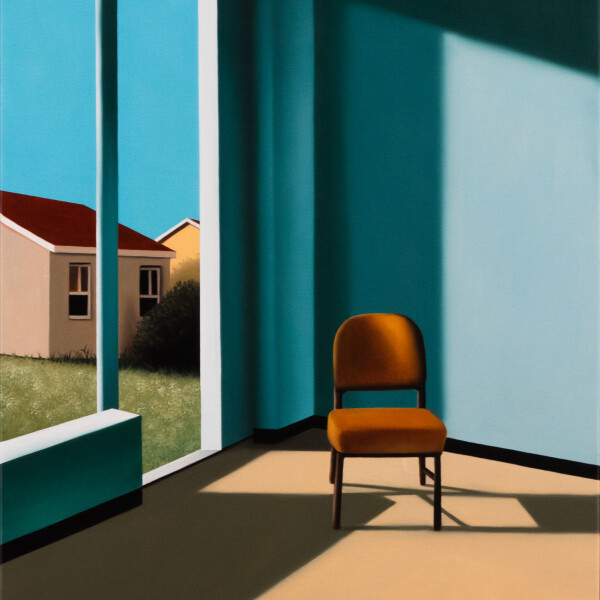
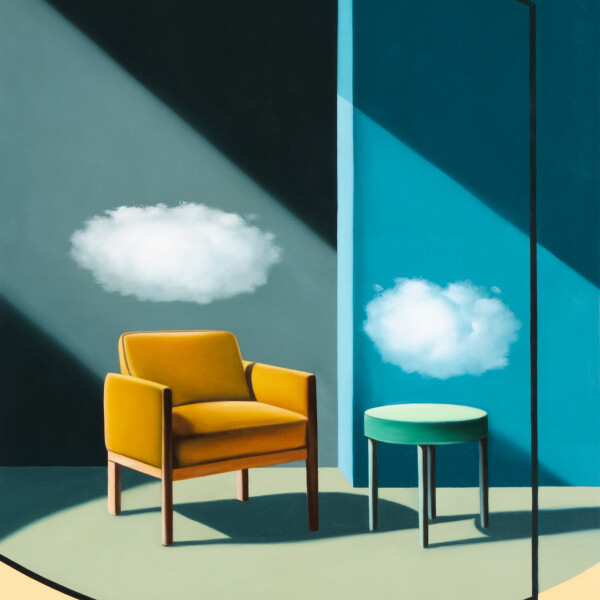
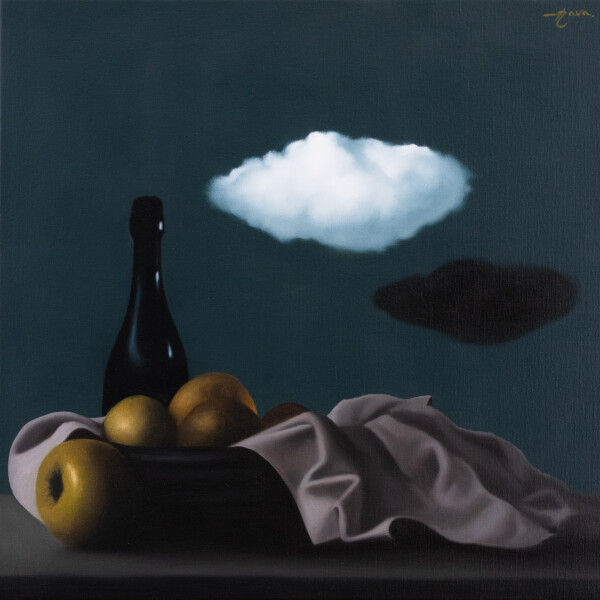
Indrek Aava is known in the Estonian art scene for his clean-surfaced, distinctive, and at times geometric paintings. Aava has chosen a path reminiscent of the old masters, aiming to prove the timeless allure of painterly skills. The artist is inspired not by concept, but by the object itself, and his tools are traditional oil paints. With brushstrokes that are nearly invisible, he creates hyperrealistic yet surreal compositions, typically centered around one important protagonist – an object or a figure. His narratives are simple yet metaphysical, drawing the viewer’s captivated gaze into a strangely timeless dimension.
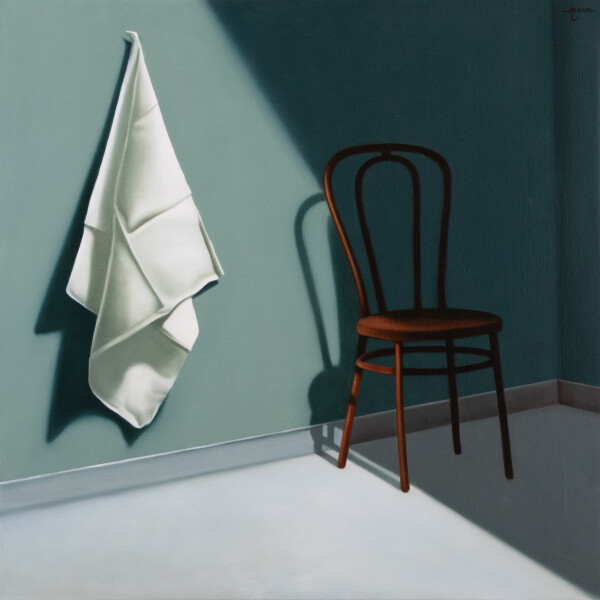
This is a general characterization of the artist, but in addition to a clear and uniquely personal creative path, Aava’s true phenomenon lies in his ability to continually surprise his audience. He often works in a series-based approach, selecting a subject – whether a particular life moment, figure, object, or theme – that especially interests him, and explores it exhaustively (in a good sense). It is as if he seeks to analyze every possible facet and interpretation of the chosen subject, emphasizing the endless perspectives of a curious observer, imbued with passion. For example, Aava has painted icons of pop culture, art deco-style female figures, still life reminiscent of the Dutch Renaissance, clouds over fruit, or chairs – as in this current exhibition. Chairs in their various states have become extremely compelling for the artist: armchairs, garden chairs, bistro chairs, chairs for solitude, or chairs as vantage points from which to observe oneself and the world. Chairs can appear in Aava’s works as formal elements in an expected composition, or as unexpected protagonists in a quiet frame where time seems to pause.
Aava is a spontaneous artist who follows his emotions when selecting stories and themes, allowing himself to be captivated by an object or a moment without necessarily analyzing why something draws him in so powerfully – enough to become his next painterly challenge. Indrek Aava began seriously engaging with painting in 2005 in Finland, where he studied advertising graphics. He has participated in exhibitions since 2009. His works are held in private collections both in Estonia and internationally – in Finland, France, Sweden, and Italy.
Text: Piia Ausman, Haus Gallery’s gallerist and curator
 Sold
Sold
Participated in exhibition TWELVE CHAIRS, TWELVE PEOPLE -
Sold 2025
 Sold
Sold
Participated in exhibition TWELVE CHAIRS, TWELVE PEOPLE -
Sold 2025
 Sold
Sold
Participated in exhibition TWELVE CHAIRS, TWELVE PEOPLE -
Sold 2025
 Not available
Participated in exhibition TWELVE CHAIRS, TWELVE PEOPLE -
 Sold
Sold
Participated in exhibition TWELVE CHAIRS, TWELVE PEOPLE -
Sold 2025
 Sold
Sold
Participated in exhibition TWELVE CHAIRS, TWELVE PEOPLE -
Sold 2025
 Sold
Sold
Participated in exhibition TWELVE CHAIRS, TWELVE PEOPLE -
Sold 2025
 Sold
Sold
Participated in exhibition TWELVE CHAIRS, TWELVE PEOPLE -
Sold 2025
 Sold
Sold
Participated in exhibition TWELVE CHAIRS, TWELVE PEOPLE -
Sold 2025
 Sold
Sold
Participated in exhibition TWELVE CHAIRS, TWELVE PEOPLE -
Sold 2025
 Sold
Sold
Participated in exhibition TWELVE CHAIRS, TWELVE PEOPLE -
Sold 2025
 Sold
Sold
Participated in exhibition TWELVE CHAIRS, TWELVE PEOPLE -
Sold 2025
 Not available
Participated in exhibition TWELVE CHAIRS, TWELVE PEOPLE -
 Sold
Sold
Participated in exhibition TWELVE CHAIRS, TWELVE PEOPLE -
Sold 2025
 Sold
Sold
Participated in exhibition TWELVE CHAIRS, TWELVE PEOPLE -
Sold 2025
 Sold
Sold
Participated in exhibition TWELVE CHAIRS, TWELVE PEOPLE -
Sold 2025
 Sold
Sold
Participated in exhibition TWELVE CHAIRS, TWELVE PEOPLE -
Sold 2025
 Sold
Sold
Participated in exhibition TWELVE CHAIRS, TWELVE PEOPLE -
Sold 2025
 Sold
Sold
Participated in exhibition TWELVE CHAIRS, TWELVE PEOPLE -
Sold 2025
Martin Luts
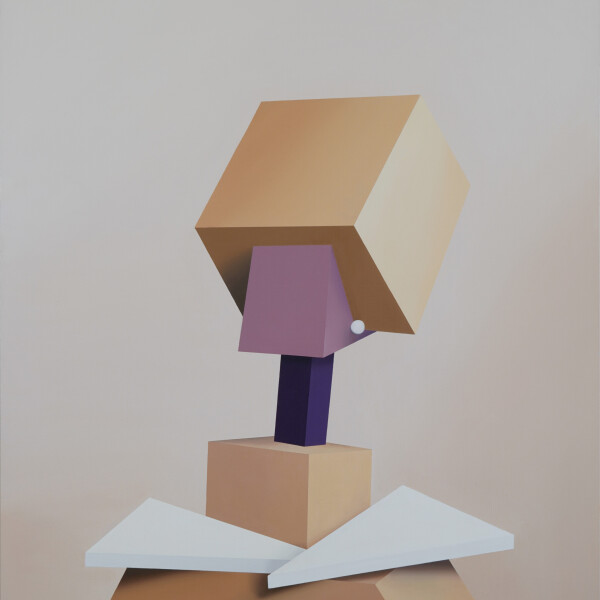
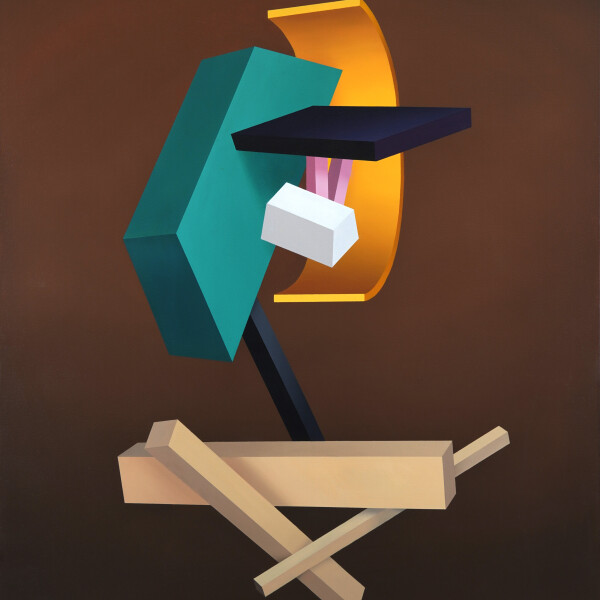
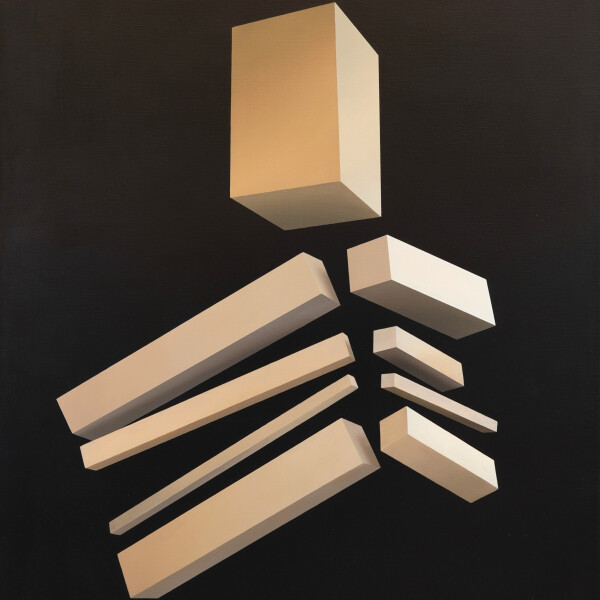
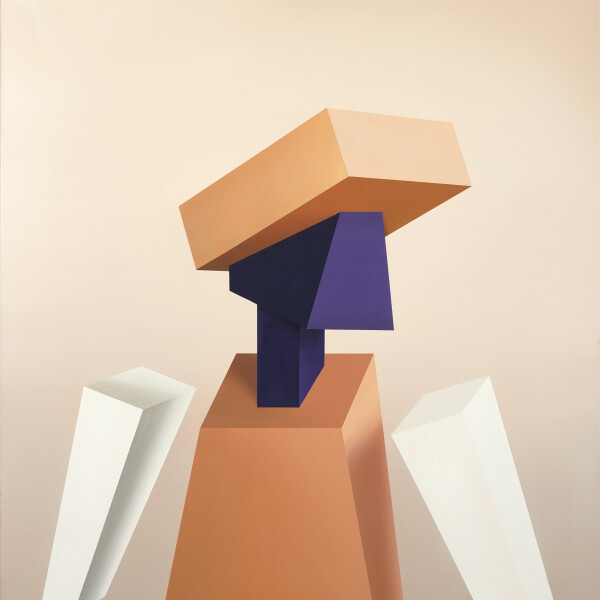
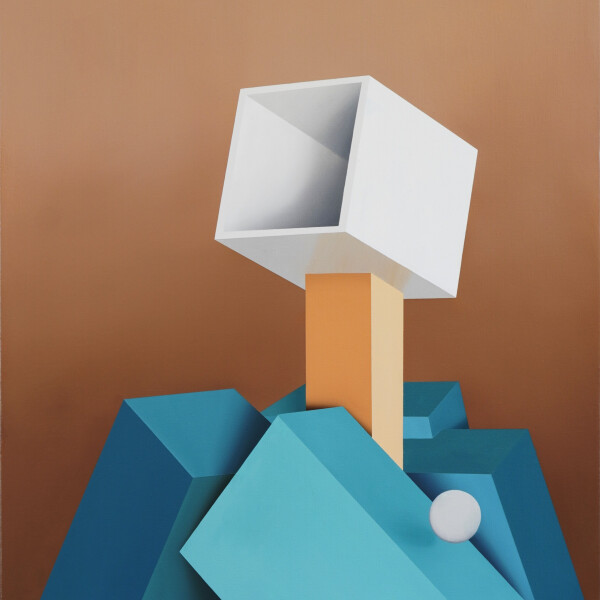
Martin Luts’ newest series of portraits first explores spatial form, then seeks balance in the diverse professions and skills of the experts who have inspired him throughout his life. He portrays individuals whose work embodies both mastery and perfection. Each subject brings their own talent, passion, skill, and compelling story. By observing and interpreting these stories, the artist has come to a key realization: there is always something to learn from a true expert in any field.
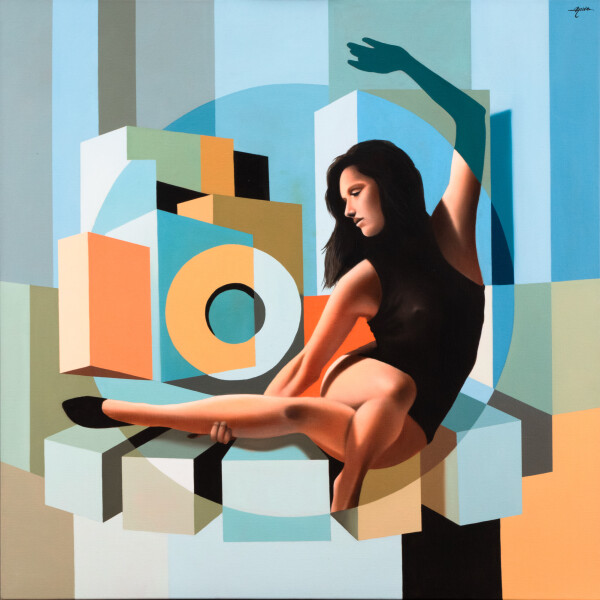
In addition to Luts’ skillful storytelling with the brush, his meticulously refined painting style captures the eye — with its masterful handling of perspective, light, the flow of oil paint, and tonal depth. Textures and contrasts, soft transitions and precise forms, appear to emerge from chaos itself. As viewers engage with his works, they may feel that this fragile balance and thoughtful structure briefly render the chaos around us logical, and even beautiful.
Luts’ oil paintings bring together geometric perfection and meaning. Perfection, ideal geometry, order, and form are central aspects that the artist explores, drawing inspiration from Plato’s theory of perfection. Is there such a thing as a perfect circle or a straight line — or do they exist only in our imagination?
Yet each viewer is invited to interpret the work personally: one might see order, another chaos; one might see a man, another a woman, or perhaps just a pile of blocks. These vertically signed paintings don’t speak in the tone of a teacher or a student, but instead open a dialogue. Each piece speaks, urging us to listen, to question, to engage — to think and reflect. Every painting by Luts has a story to tell, through which the viewer may discover something new — in the artwork, and perhaps in themselves.
Martin Luts (b. 1982) is an Estonian emerging artist who spent many years building a career in large corporations, all while secretly devoting his free time to painting — most recently in his studio at Põhjala Factory. Over the past decade, he has also developed a strong interest in geometry and continuously refined his knowledge and skills, now clearly expressed in the exhibited works.
Luts draws inspiration and refines his skills by collecting art with enthusiasm, studying at the Open Academy of the Estonian Academy of Arts, and collaborating with the esteemed artist Indrek Aava.
Text: Artist Martin Luts, edited by Haus Gallery’s art historian Lola Annabel Kass
 Sold
Sold
Participated in exhibition TWELVE CHAIRS, TWELVE PEOPLE -
Sold 2025
 Sold
Sold
Participated in exhibition TWELVE CHAIRS, TWELVE PEOPLE -
Sold 2025
 Sold
Sold
Participated in exhibition TWELVE CHAIRS, TWELVE PEOPLE -
Sold 2025
 Sold
Sold
Participated in exhibition TWELVE CHAIRS, TWELVE PEOPLE -
Sold 2025
 Sold
Sold
Participated in exhibition TWELVE CHAIRS, TWELVE PEOPLE -
Sold 2025
 Sold
Sold
Participated in exhibition TWELVE CHAIRS, TWELVE PEOPLE -
Sold 2025
 Sold
Sold
Participated in exhibition TWELVE CHAIRS, TWELVE PEOPLE -
Sold 2025
 Sold
Sold
Participated in exhibition TWELVE CHAIRS, TWELVE PEOPLE -
Sold 2025
 Not available
Participated in exhibition TWELVE CHAIRS, TWELVE PEOPLE -